Hyperbaric Oxygen Therapy in Lebanon
Supporting healing through increased oxygen delivery — at HBOT Clinic Lebanon, Beirut.
What is Hyperbaric Oxygen Therapy (HBOT) in Beirut?
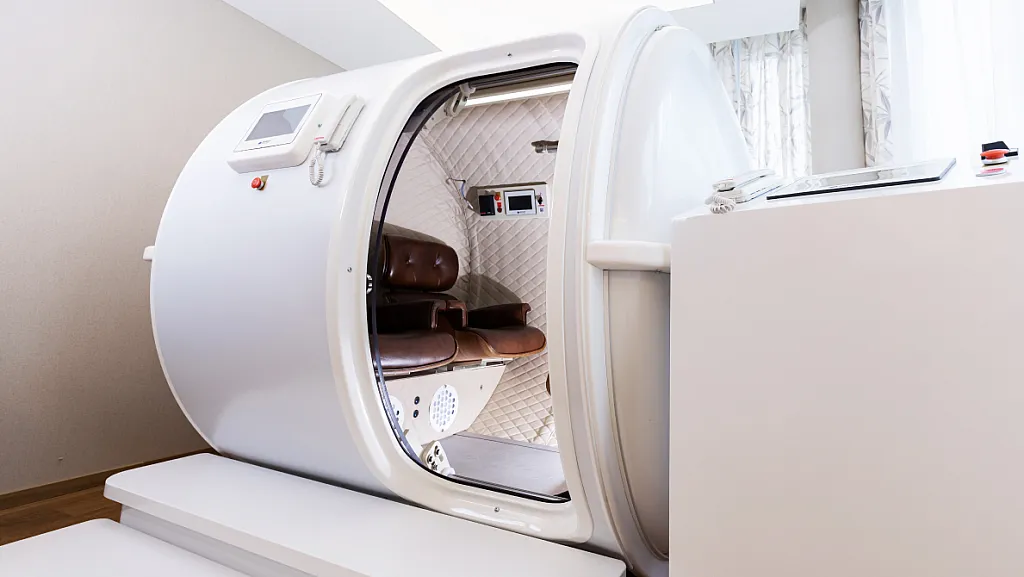
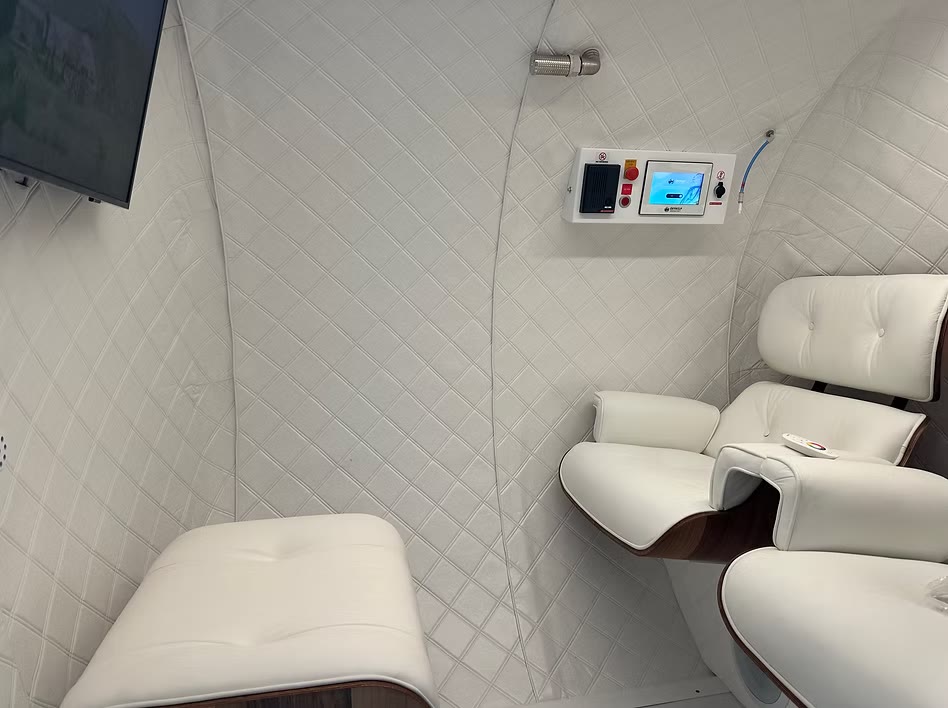
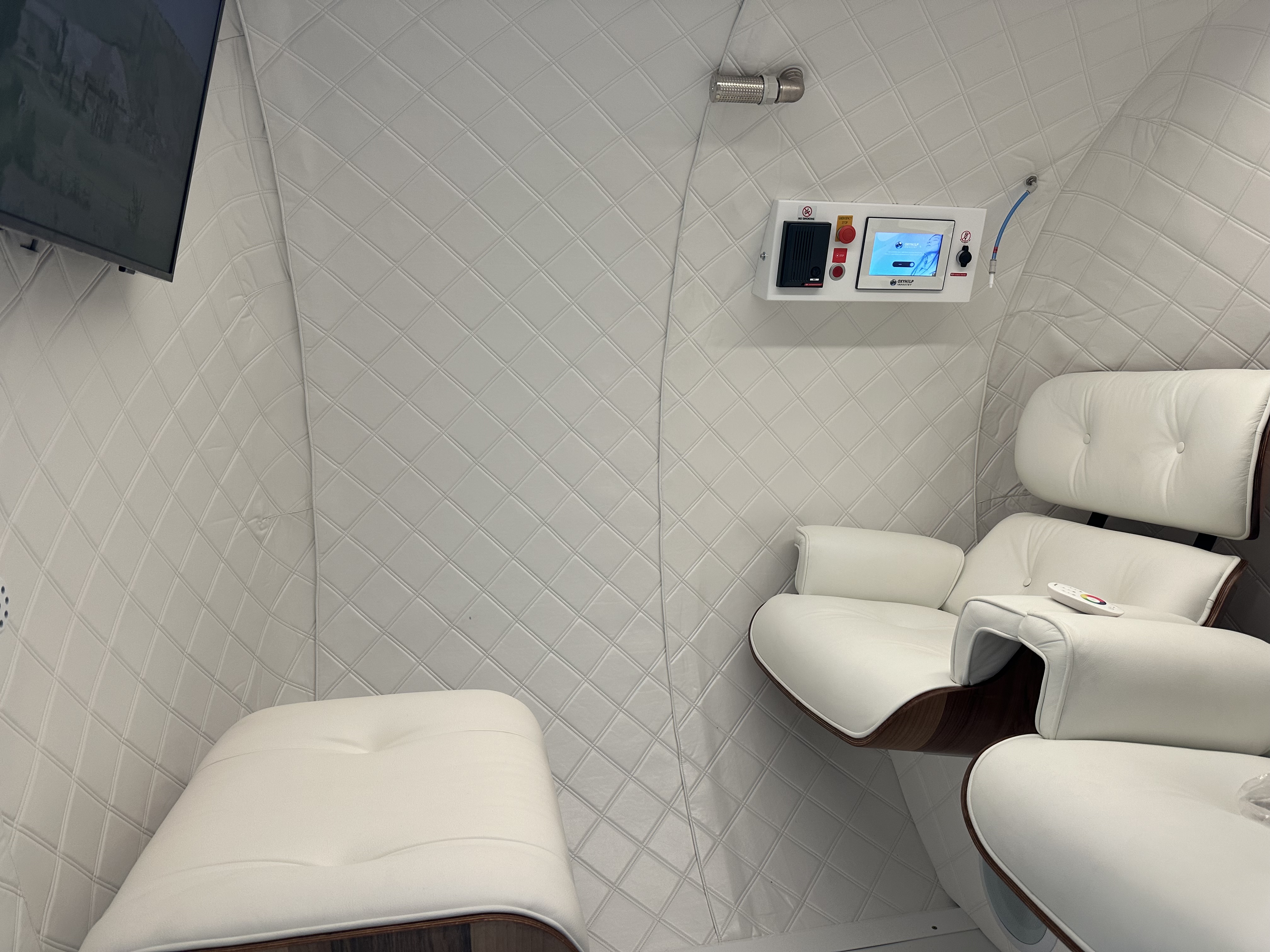
Hyperbaric Oxygen Therapy (HBOT) is a medical treatment in which patients breathe 100% oxygen inside a pressurized chamber. The chamber pressure typically ranges between 1.3 and 2.5 atmospheres, allowing higher levels of oxygen to dissolve into the bloodstream than under normal conditions.
Increased oxygen delivery to tissues may support the healing of damaged or oxygen-deprived tissue, help reduce inflammation, and assist the body in fighting certain infections. Hyperbaric Oxygen Therapy is used as a supportive treatment in selected medical and surgical conditions where improved oxygenation is clinically beneficial.
Why choose Hyperbaric Oxygen Therapy in Beirut?
Hyperbaric Oxygen Therapy supports the body’s natural healing mechanisms by increasing oxygen availability to tissues. Enhanced oxygen delivery may assist recovery processes in selected medical and surgical conditions where tissue oxygenation is compromised.
HBOT may be considered as a supportive therapy for patients managing specific medical conditions or recovery needs, following appropriate medical evaluation. The suitability of Hyperbaric Oxygen Therapy is determined on a case-by-case basis under medical supervision.
Benefits of Hyperbaric Oxygen Therapy
Increased ambient pressure and oxygen concentration during HBOT raise the amount of dissolved oxygen in the bloodstream. Enhanced oxygen delivery to tissues may support several physiological processes, including:
Supporting the healing of wounds by improving tissue oxygenation
Helping reduce swelling and inflammation
Enhancing the function of white blood cells involved in immune response
Supporting angiogenesis — the formation of new blood vessels — which may improve blood flow to damaged or oxygen-deprived tissues
Recognized applications
of HBOT.
Hyperbaric Oxygen Therapy is recognized by the U.S. Food and Drug Administration (FDA) for use in specific medical indications. These include:
Suitability and outcomes vary. The doctor will determine whether HBOT is appropriate for your diagnosis and circumstances.
Radiation-induced tissue injury (such as radiation proctitis and radiation cystitis)
Diabetic foot ulcers
Necrotizing soft tissue infections
Chronic non-healing wounds
Crush injuries
Compromised or failed skin grafts and flaps
Gas gangrene (clostridial myonecrosis)
Carbon monoxide poisoning
Decompression sickness
Central retinal artery occlusion
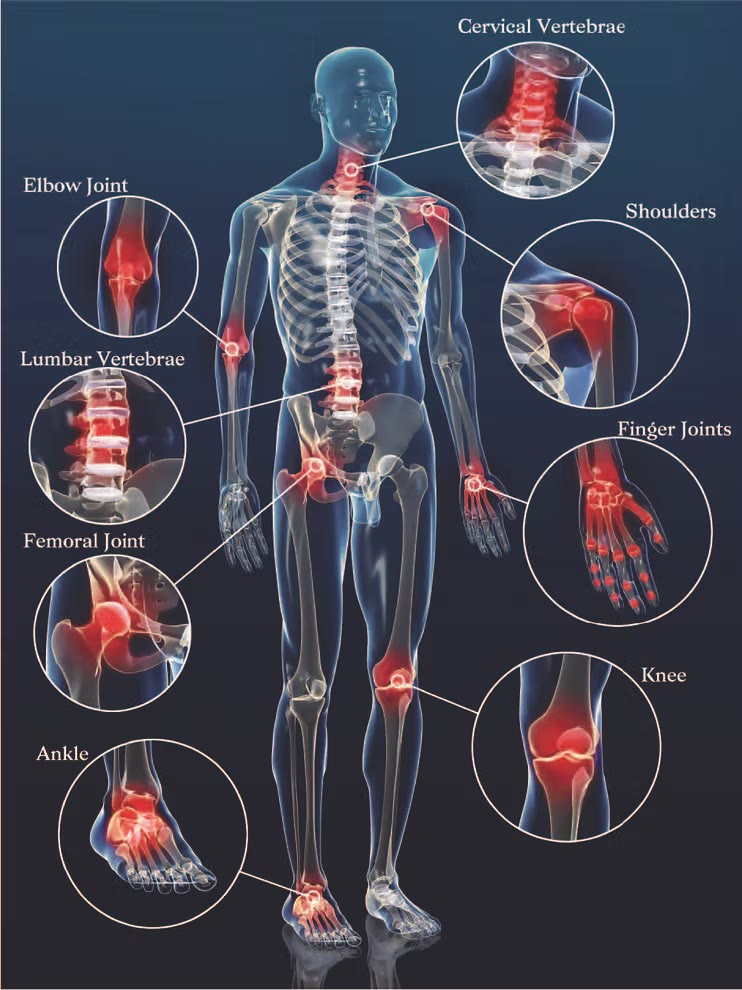
Red light therapy and HBOT, together.
Red light therapy, also known as low-level light therapy (LLLT), uses red and near-infrared wavelengths of light to support cellular activity. This form of light therapy may help enhance local circulation and support collagen production at the tissue level.
When used in conjunction with Hyperbaric Oxygen Therapy, red light therapy may complement oxygen-based treatments by supporting cellular oxygen utilization and tissue response. Combined use is applied selectively based on individual clinical assessment.
Red and near-infrared light pads can be applied to targeted areas, such as chronic wounds, ulcers, or inflamed joints, to support localized blood flow and tissue recovery where clinically appropriate.
Oxygen, delivered where it’s needed.
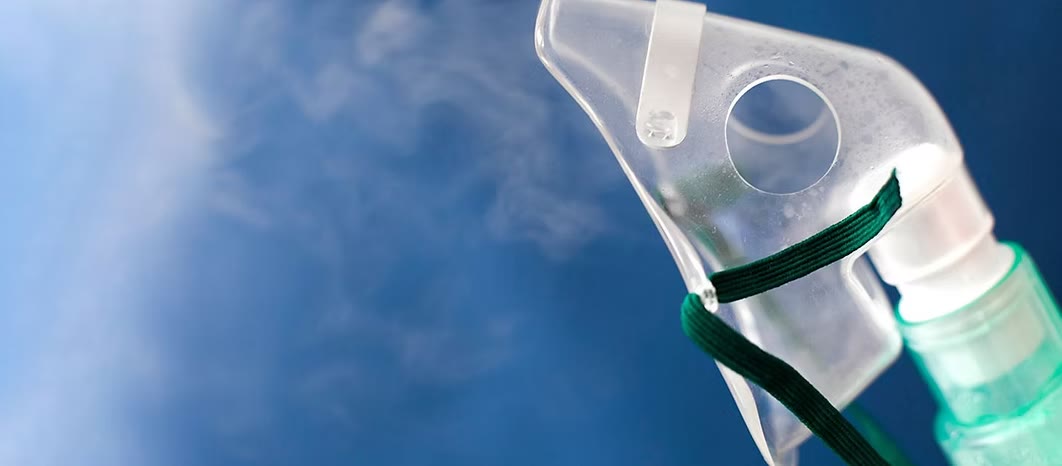
Oxygen is essential to the body’s repair processes. In a pressurised chamber, breathing oxygen increases the amount dissolved in the bloodstream, helping it reach areas where circulation or oxygen supply may be compromised.
For suitable patients, this can support tissue repair, the formation of new blood vessels and the body’s response to infection. HBOT is used alongside appropriate medical care, not as a replacement for it.
Before your visit.
Let’s talk about your recovery.
Discuss whether HBOT is right for you with Dr. Ghattas Khoury.