
Why oxygen matters for tissue repair
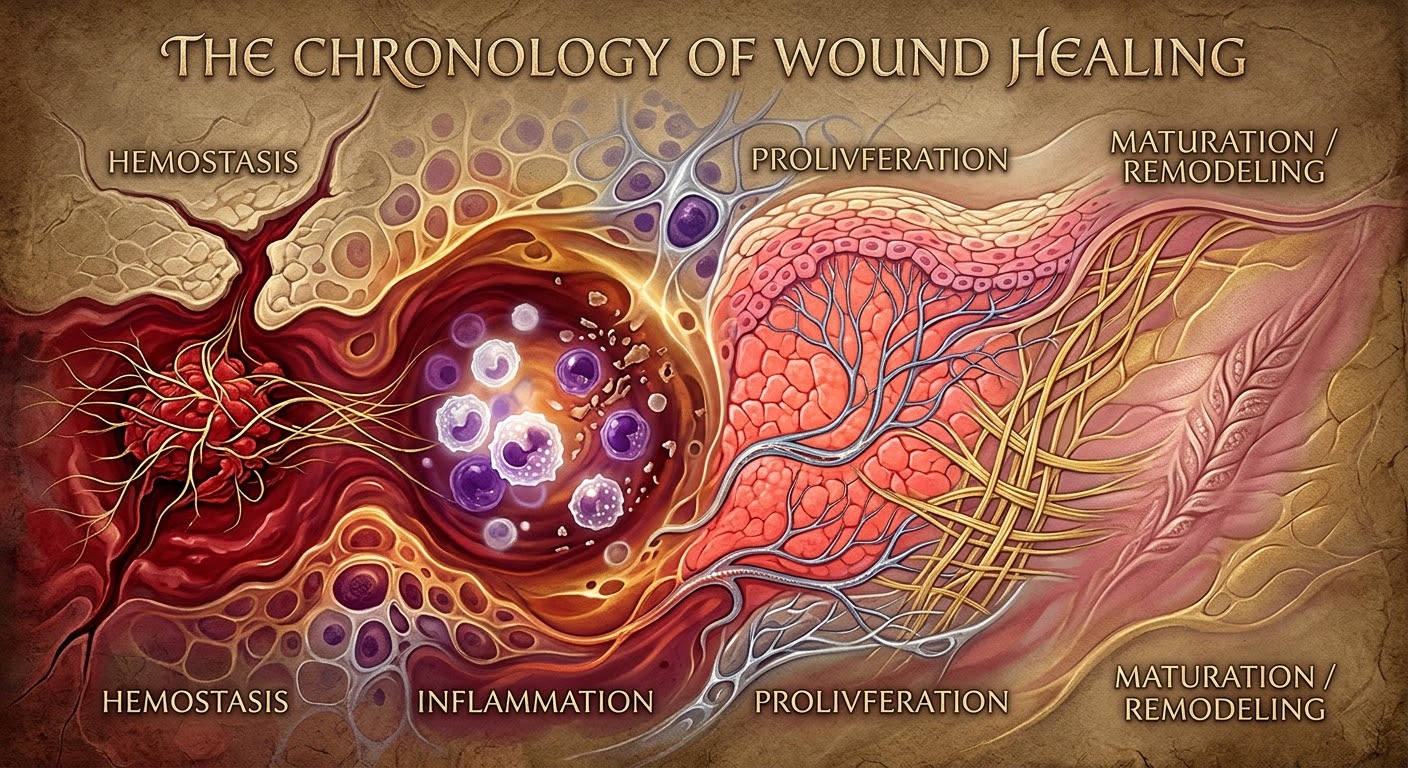
Tissue repair is an active process. After an injury the body grows new blood vessels, builds collagen and clears damaged cells, and each of these steps needs oxygen. When blood supply is reduced or the oxygen level in a tissue falls, repair slows or stops altogether.
Oxygen-deprived tissue can follow trauma, surgery, radiation treatment, or conditions that narrow blood vessels such as diabetes. The result may be a wound that does not close, tissue that breaks down, or an area that stays swollen and painful.
How HBOT raises oxygen delivery
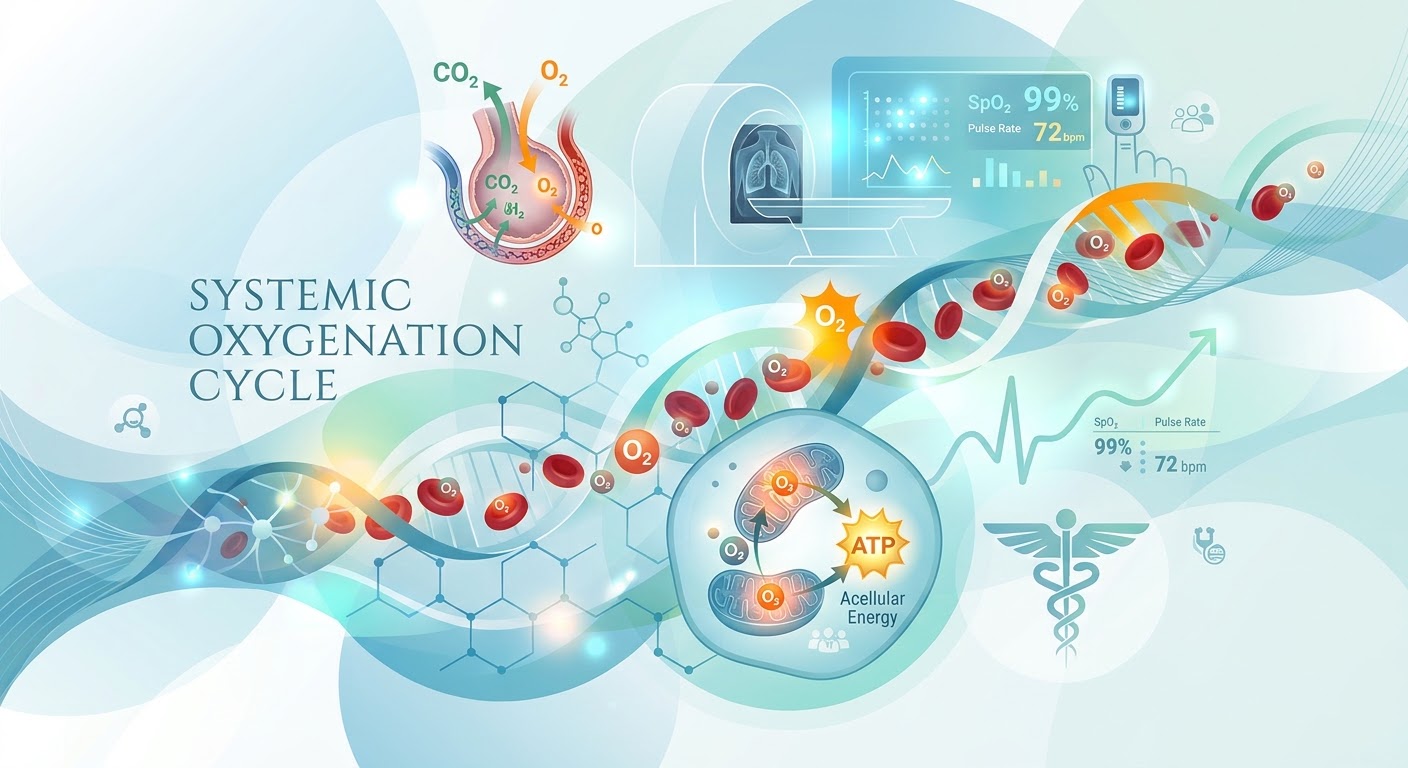
During hyperbaric oxygen therapy you breathe medical-grade oxygen inside a chamber pressurised above normal atmospheric pressure. At the pressures used at HBOT Clinic Lebanon, between 1.3 and 2.5 atmospheres, oxygen is carried not only by red blood cells but also dissolved directly in the blood plasma.
Dissolved oxygen can move into areas where circulation is poor, because it does not depend entirely on red blood cells reaching the tissue. The rise is temporary and lasts only while oxygen levels are elevated, which is why treatment is usually planned as a series of sessions rather than a single visit.
Which parts of the repair process may be supported
The growth of new blood vessels is one of the most important long-term effects. Sustained periods of raised oxygen support the signalling that encourages capillaries to form, improving blood supply to the injured area over time.
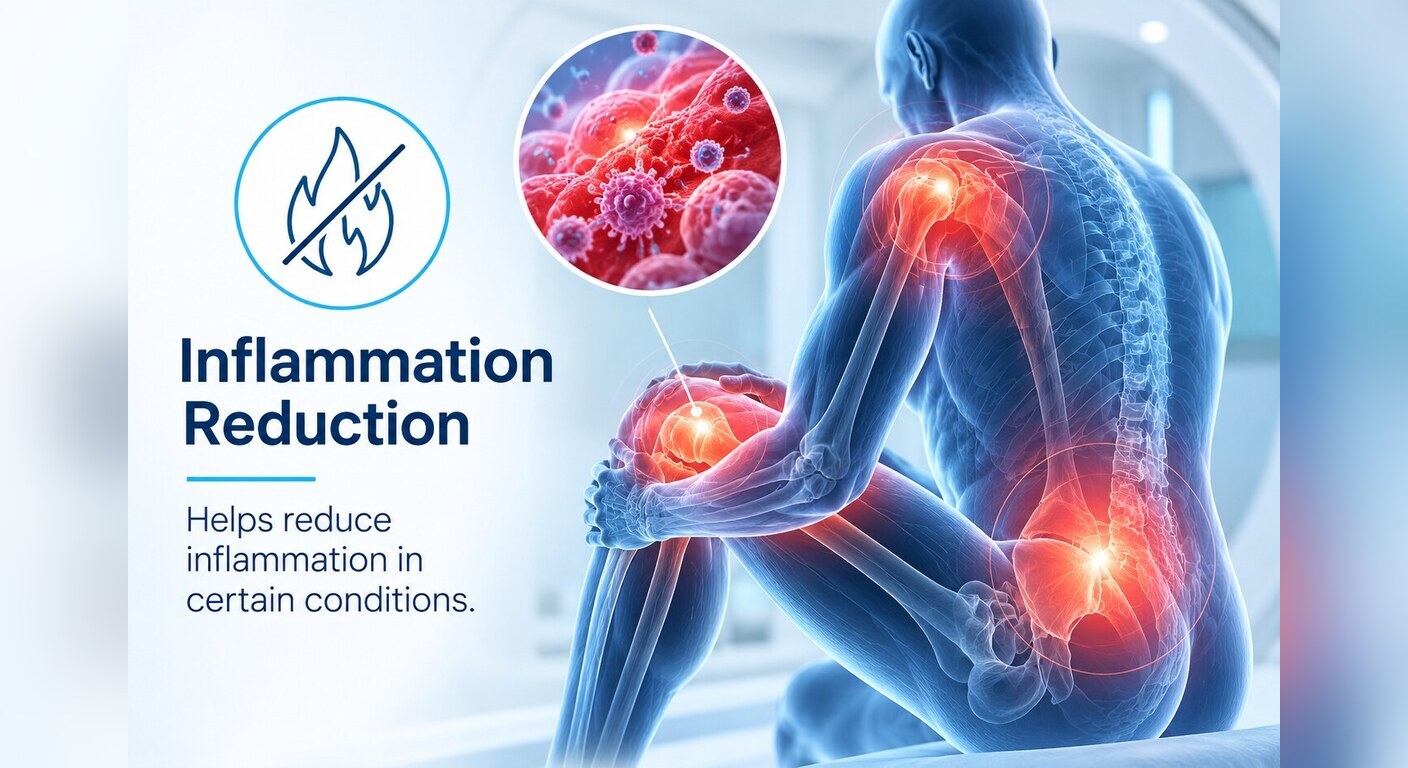
Oxygen is also required by the cells that produce collagen, the structural framework of repaired tissue, and by the white blood cells that defend a wound from infection. Raised oxygen levels can additionally help reduce swelling in some injuries. These are mechanisms rather than guarantees: the clinical benefit depends on the diagnosis, the condition of the tissue and the rest of the treatment plan.
Which tissue injuries may be considered
Situations commonly assessed for HBOT include certain non-healing wounds such as selected diabetes-related foot ulcers, radiation-related tissue injury affecting soft tissue or bone, compromised skin grafts and flaps, crush injuries where tissue blood supply is threatened, and bone infection that is not responding to standard treatment.
Not every injury involving oxygen-deprived tissue is suitable. Whether the evidence supports HBOT depends on the specific diagnosis and clinical circumstances, and a clinician needs to review the case before treatment is recommended.
HBOT supports repair, it does not replace it
Recovering tissue usually needs more than oxygen. Wound care, control of infection, assessment of circulation, pressure relief, adequate nutrition and treatment of the underlying condition all remain part of the plan.
HBOT is an additional treatment for selected patients. A series of sessions is typically planned, and progress should be reviewed at agreed points rather than assumed, with reassessment if the tissue worsens or fails to improve.
Safety and what to discuss first
HBOT is not suitable for everyone. Untreated pneumothorax is a contraindication. The most common side effects are ear or sinus pressure difficulties; temporary vision changes and, rarely, oxygen toxicity can occur.
Before treatment, tell the doctor about lung or ear conditions, recent surgery, pregnancy, claustrophobia and every medication you take, because some medicines are not compatible with oxygen at pressure.
Discuss tissue repair and HBOT in Beirut, Lebanon
HBOT Clinic Lebanon provides hyperbaric oxygen therapy in a two-seat chamber in Beirut. An individual assessment with Dr. Ghattas Khoury helps establish whether HBOT has a role in your recovery plan.
Visit Doctors Center building, Cairo Street, 1st Floor, Facing AUBMC, Beirut, Lebanon. Call +961 1 344 280 to arrange a consultation, or message +961 3 727 108 on WhatsApp with your enquiry.