
Can HBOT help a chronic wound heal?
Hyperbaric oxygen therapy (HBOT) may support the healing of certain chronic wounds when used alongside appropriate medical care. It is not a treatment for every wound, and it does not replace wound dressings, infection management or treatment of the underlying cause.
For someone with a wound that is not healing as expected, the first step is a medical assessment. The cause of the wound, blood supply, infection, existing treatment and overall health all influence whether HBOT may be appropriate.
Why oxygen matters for wound healing
Oxygen is needed for tissue repair. When blood flow or tissue oxygenation is reduced, the body may struggle to heal a wound. During HBOT, breathing oxygen at increased atmospheric pressure raises the amount of oxygen dissolved in the blood and delivered to tissues.
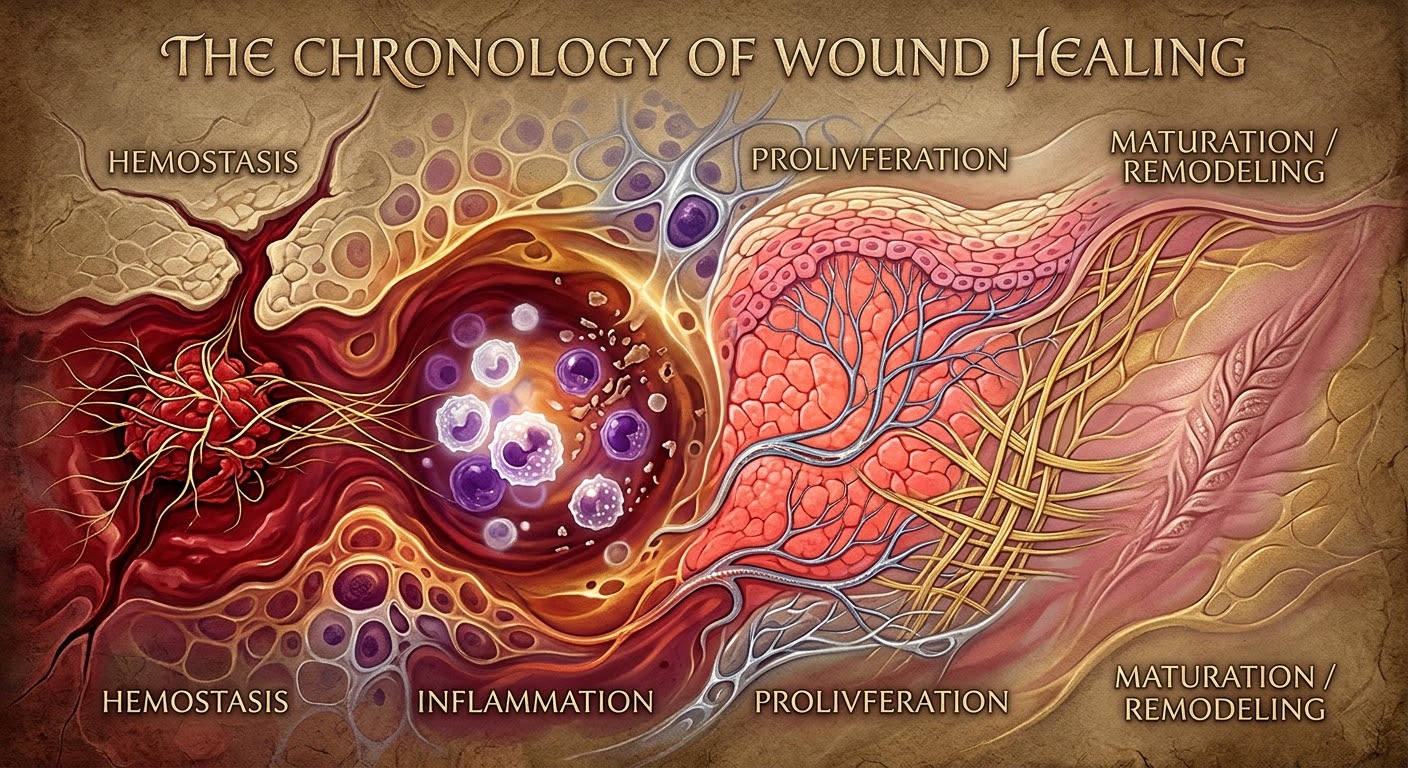
For suitable patients, improved tissue oxygenation can support the processes involved in repair, including collagen formation, the development of new blood vessels and the activity of infection-fighting white blood cells. These mechanisms do not mean that every wound will heal with HBOT.
Which wounds may be considered for HBOT?
Selected diabetes-related foot ulcers are among the wounds for which adjunctive HBOT may be considered. A clinician must assess the ulcer and the response to standard care; having diabetes or a chronic wound alone is not enough to establish suitability.
Other situations in which HBOT may have a role include certain radiation-related tissue injuries and compromised skin grafts or flaps. The diagnosis and clinical circumstances matter. Benefits cannot be assumed for all non-healing wounds.
HBOT works alongside standard wound care
A wound-care plan may include cleaning and dressings, removal of damaged tissue where needed, assessment and treatment of infection, and evaluation of circulation. For a diabetic foot ulcer, relieving pressure on the wound and managing diabetes are also important.
HBOT is an additional treatment for selected patients, not a substitute for these measures. Continuing care with the clinician responsible for your wound is essential, including reassessment if the wound worsens or fails to improve.
What to discuss before treatment
Bring your medical history, medication list and available wound-care records to your consultation. Your doctor can explain whether HBOT is suitable, what alternatives exist and how progress will be assessed. The pressure, duration and number of sessions are determined individually.
HBOT is not suitable for everyone. Untreated pneumothorax is a contraindication. Possible risks include ear or sinus pressure injury, temporary vision changes and, rarely, oxygen toxicity. Tell the doctor about lung or ear conditions, recent surgery and pregnancy before treatment.
Discuss wound healing and HBOT in Beirut, Lebanon
HBOT Clinic Lebanon provides hyperbaric oxygen therapy in a two-seat chamber in Beirut. An individual assessment with Dr. Ghattas Khoury helps determine whether HBOT has a role alongside your existing wound-care plan.
Visit Doctors Center building, Cairo Street, 1st Floor, Facing AUBMC, Beirut, Lebanon. Call +961 1 344 280 to arrange a consultation, or message +961 3 727 108 on WhatsApp with your enquiry.