How oxygen normally reaches your tissues
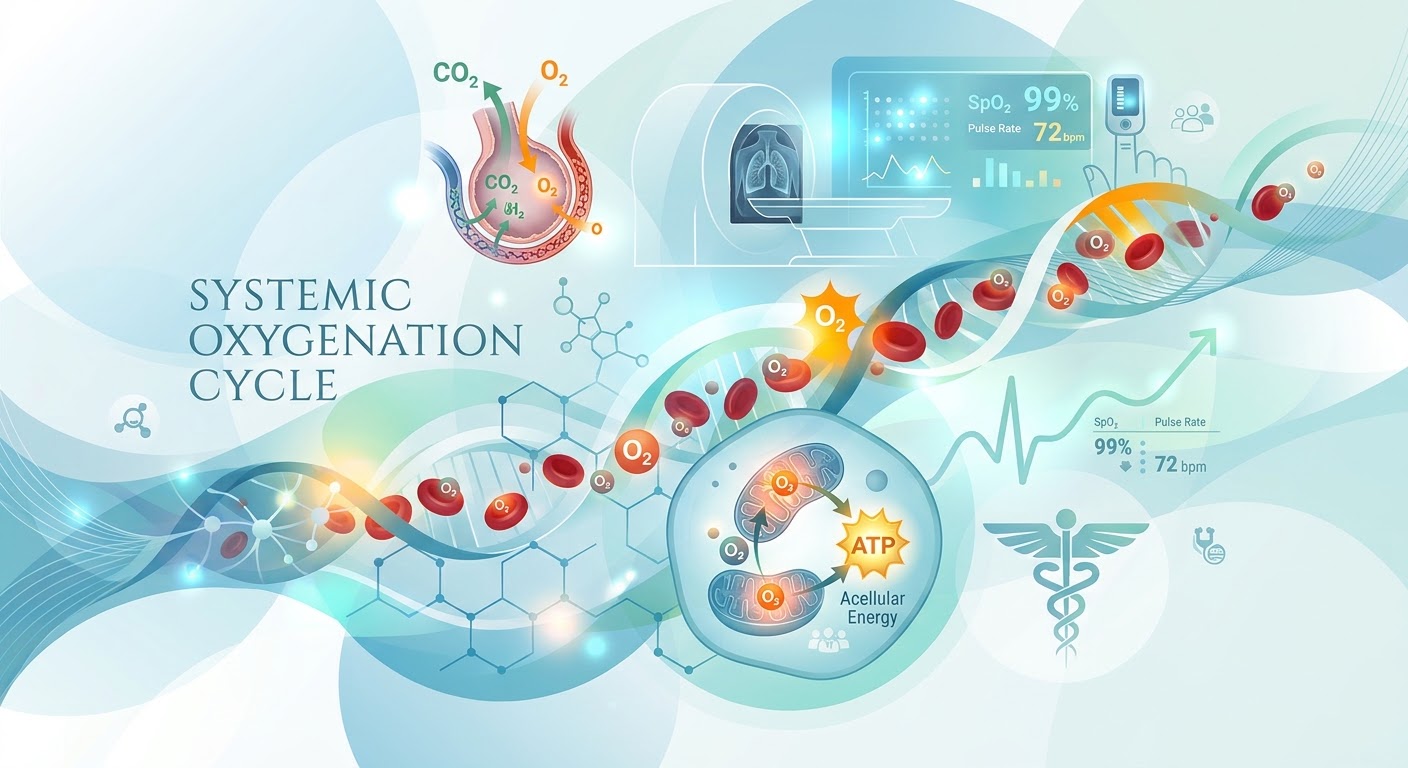
Under normal conditions you breathe air containing about 21% oxygen. Oxygen passes from the lungs into the blood, where most of it is carried by haemoglobin inside red blood cells and only a small amount is dissolved in the plasma. The heart then pumps that blood through arteries and capillaries until oxygen diffuses out into the surrounding tissue.
This system works well while the lungs, the blood and the circulation are all functioning normally. It becomes limited when blood flow is reduced, when red blood cells cannot carry enough oxygen, or when tissue is swollen or damaged enough that oxygen cannot diffuse far enough to reach the cells that need it.
What changes inside a hyperbaric chamber
During hyperbaric oxygen therapy the whole body is inside a chamber pressurised above normal atmospheric pressure while you breathe medical-grade oxygen. At the pressures used at HBOT Clinic Lebanon, between 1.3 and 2.5 atmospheres, the amount of oxygen dissolved directly in the blood plasma rises substantially.
Dissolved oxygen does not depend on red blood cells reaching the tissue, so it can move into areas where circulation is reduced, at least for as long as the oxygen level in the blood stays elevated.
Where the extra oxygen can go
Poorly perfused tissue is precisely why HBOT is considered. Examples include a wound that is not healing, tissue damaged by radiation treatment, a skin graft or flap whose blood supply is threatened, and a crush injury where swelling is limiting circulation.
The reach of dissolved oxygen is still limited by distance and by the condition of the tissue. Raising the oxygen level in the blood does not mean that every cell in an injured area receives what it needs, which is why assessment of the specific diagnosis matters before treatment is recommended.
What the body uses the extra oxygen for
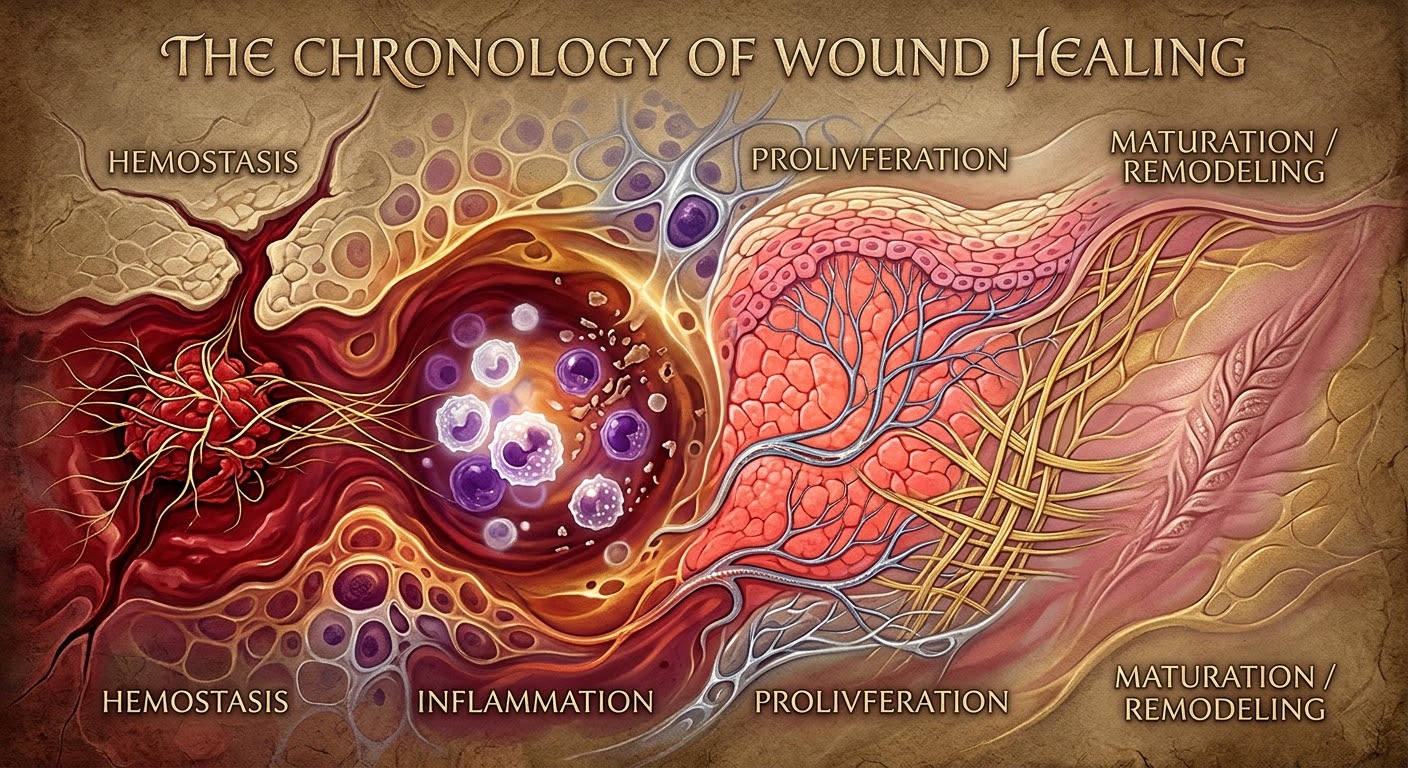
Cells use oxygen to produce the energy required for repair. Oxygen is also needed to build collagen, the structural framework of new tissue, and for the signalling that grows new capillaries into a healing area. White blood cells rely on oxygen to carry out their infection-fighting role.
These processes are the reason oxygen delivery is discussed in recovery. They are mechanisms rather than promises: the measurable benefit depends on the diagnosis, the state of the tissue and the rest of the treatment plan.
Why treatment is planned as a series
The rise in dissolved oxygen is temporary. Once the pressure returns to normal, oxygen levels in the blood fall back towards baseline, so a single session does not permanently change tissue oxygenation.
For that reason HBOT is usually prescribed as a series of sessions spread over days or weeks, with the number determined by the condition being treated and by the individual response. Progress should be reviewed at agreed points rather than assumed.
Safety and what to discuss first
HBOT is not suitable for everyone. Untreated pneumothorax is a contraindication. The most common side effects are ear or sinus pressure difficulties; temporary vision changes and, rarely, oxygen toxicity can occur.
Before treatment, tell the doctor about lung or ear conditions, recent surgery, pregnancy, claustrophobia and every medication you take, because some medicines are not compatible with oxygen at pressure.
Discuss oxygen therapy in Beirut, Lebanon
HBOT Clinic Lebanon provides hyperbaric oxygen therapy in a two-seat chamber in Beirut. An individual assessment with Dr. Ghattas Khoury helps establish whether increased oxygen delivery has a role in your care.
Visit Doctors Center building, Cairo Street, 1st Floor, Facing AUBMC, Beirut, Lebanon. Call +961 1 344 280 to arrange a consultation, or message +961 3 727 108 on WhatsApp with your enquiry.