Why diabetic foot ulcers struggle to heal
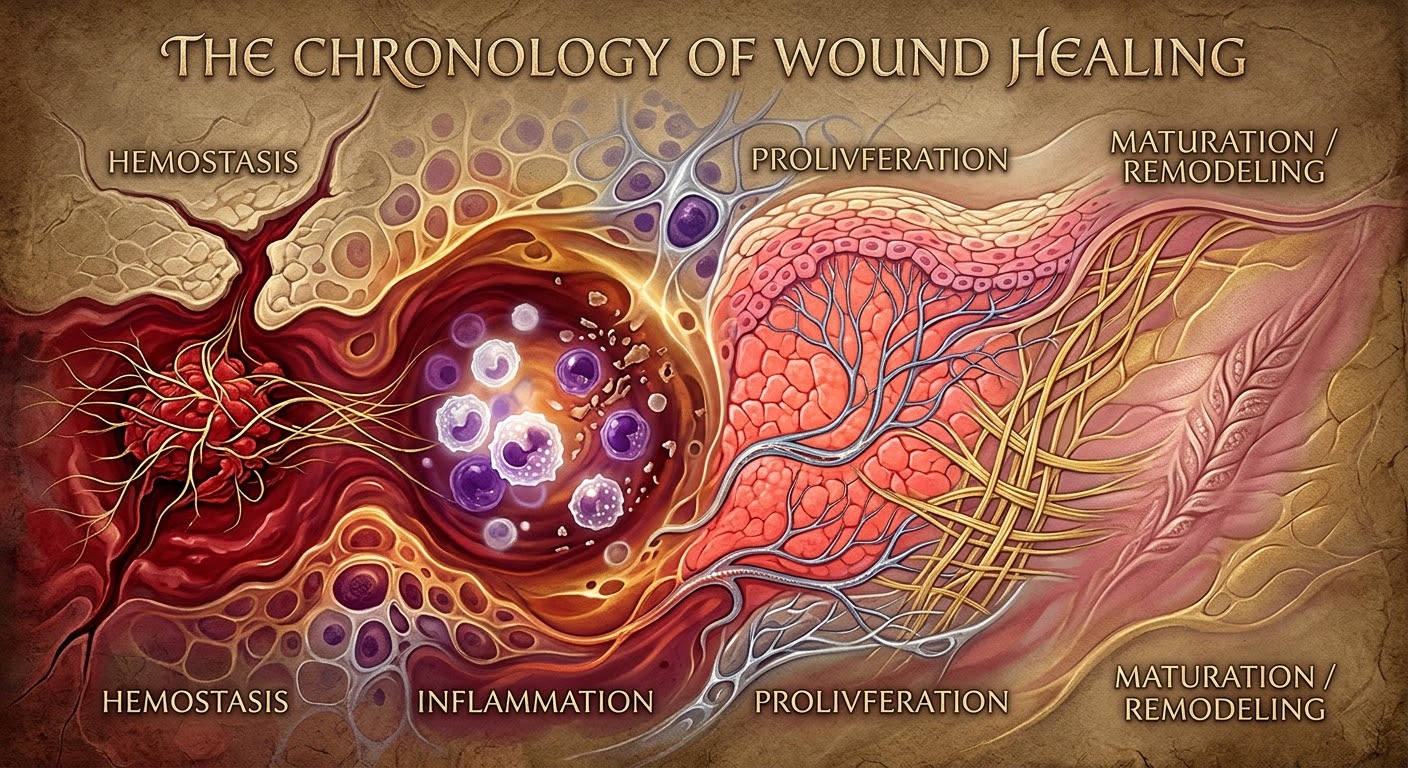
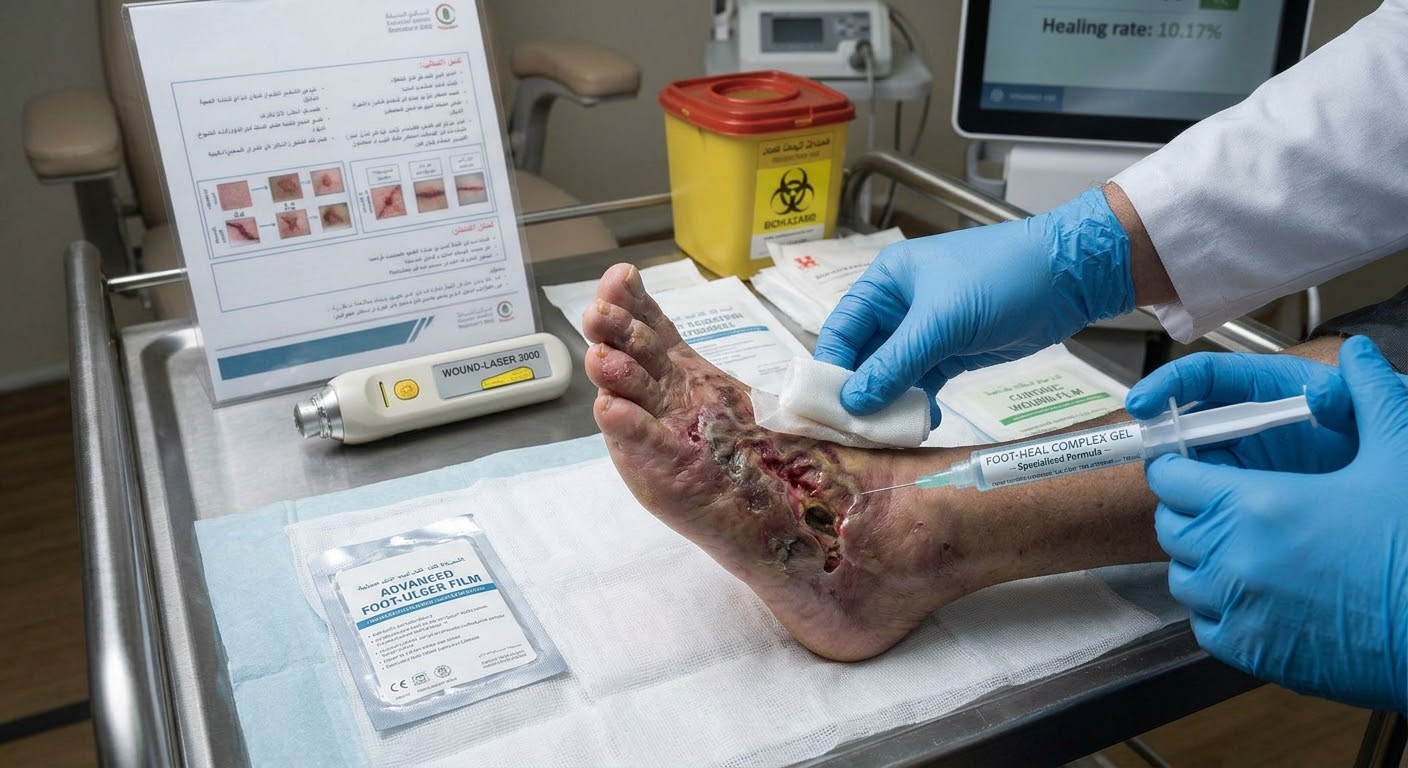
Diabetes can damage both the small blood vessels and the nerves of the feet. Reduced blood supply means less oxygen reaches the tissue, and reduced sensation means injuries can go unnoticed and worsen. The result is often a wound that heals slowly or not at all.
A diabetic foot ulcer is a serious condition. Without appropriate care it can deepen, become infected, and in severe cases lead to amputation. Early assessment and consistent wound care make a significant difference.
Why oxygen delivery matters
Every step of wound repair needs oxygen: building collagen, growing new blood vessels, and the work of infection-fighting white blood cells. In a foot with poor circulation, the oxygen level in the wound tissue can fall low enough that these processes slow down or stop.
During hyperbaric oxygen therapy you breathe medical-grade oxygen inside a chamber pressurised above normal atmospheric pressure. At the pressures used at HBOT Clinic Lebanon, between 1.3 and 2.5 atmospheres, oxygen dissolves directly into the blood plasma and can reach tissue where circulation is reduced.
Which diabetic foot ulcers may be considered
Selected diabetes-related foot ulcers are among the recognised applications of HBOT — typically ulcers that have not responded adequately to standard wound care. International wound-care guidelines discuss HBOT as an additional treatment for certain ulcers, not as a first step.
Suitability is individual. The clinician assesses the ulcer, the blood supply to the foot, any infection, and how the wound has responded to treatment so far. Having diabetes or a chronic wound alone is not enough to establish that HBOT is appropriate.
HBOT works alongside standard wound care
The foundation of diabetic foot ulcer care remains: cleaning and dressings, removal of damaged tissue where needed, treatment of infection, assessment of circulation, relieving pressure on the wound, and good diabetes management. None of these is replaced by HBOT.
When HBOT is added, it is planned as a series of sessions over days or weeks, and the wound is reviewed at agreed points. Continuing care with the clinician responsible for your foot — and seeking review promptly if the wound worsens — remains essential.
Chronic non-healing wounds beyond diabetes
The same principle — supporting oxygen delivery to damaged tissue — applies to other chronic, non-healing wounds. Wounds related to poor circulation, radiation injury, or compromised skin grafts and flaps may also be assessed for HBOT, depending on the diagnosis and clinical circumstances.
In every case the first step is a medical assessment of why the wound is not healing, because treating the underlying cause matters as much as treating the wound itself.
Safety and what to discuss first
HBOT is not suitable for everyone. Untreated pneumothorax is a contraindication. The most common side effects are ear or sinus pressure difficulties; temporary vision changes and, rarely, oxygen toxicity can occur.
Before treatment, tell the doctor about lung or ear conditions, recent surgery, pregnancy, claustrophobia and every medication you take, because some medicines are not compatible with oxygen at pressure. Bring your wound-care records and medication list to your consultation.
Discuss diabetic foot ulcers and HBOT in Beirut, Lebanon
HBOT Clinic Lebanon provides hyperbaric oxygen therapy in a two-seat chamber in Beirut. An individual assessment with Dr. Ghattas Khoury helps establish whether HBOT has a role alongside your existing wound-care plan.
Visit Doctors Center building, Cairo Street, 1st Floor, Facing AUBMC, Beirut, Lebanon. Call +961 1 344 280 to arrange a consultation, or message +961 3 727 108 on WhatsApp with your enquiry.