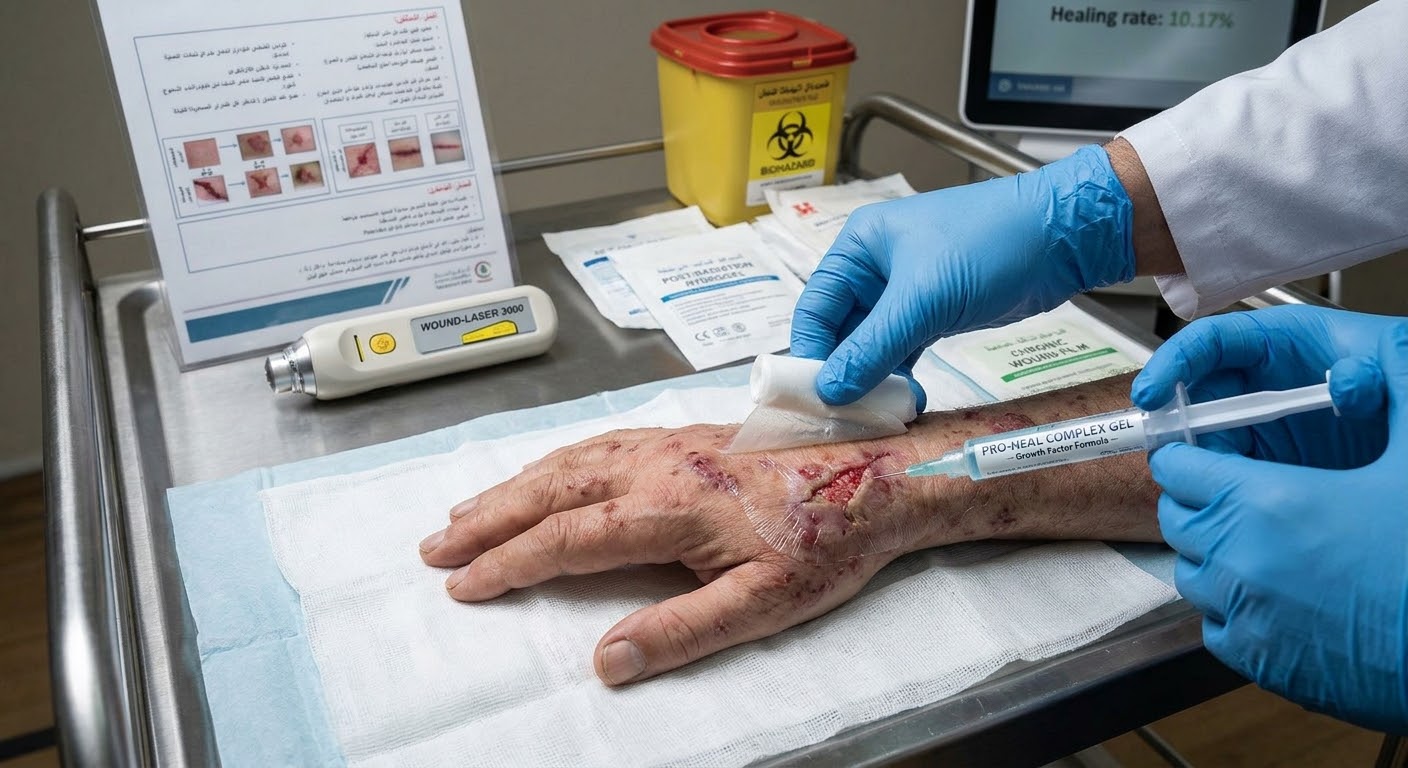
Recovery is an active process
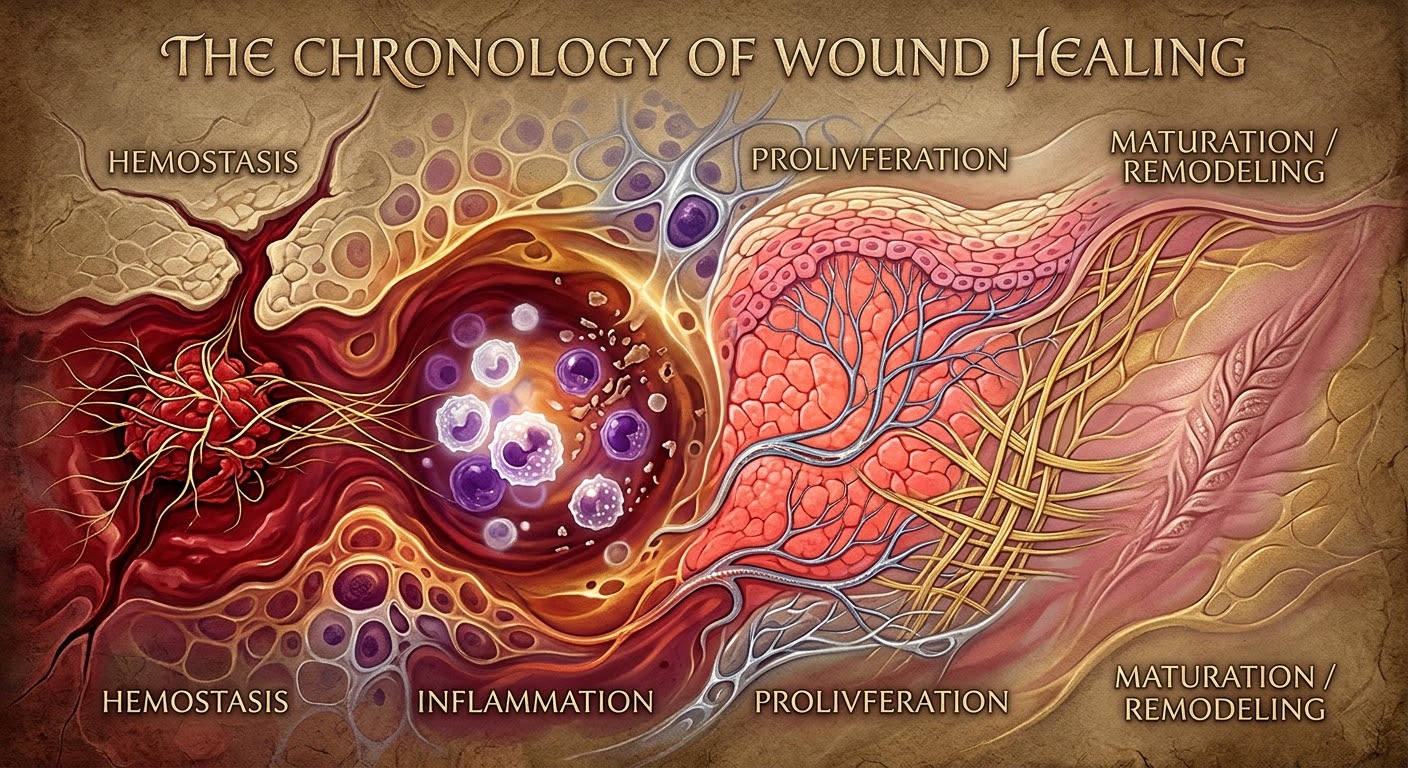
After an injury or surgery, the body does not simply wait to heal — it rebuilds. New blood vessels grow into the damaged area, collagen is laid down to restore structure, and white blood cells clear damaged cells and defend against infection. Each of these steps needs oxygen.
When blood supply to the healing area is reduced — by swelling, by the injury itself, or by conditions such as diabetes — recovery can slow. This is where oxygen delivery becomes part of the conversation.
How HBOT supports healing processes
During hyperbaric oxygen therapy you breathe medical-grade oxygen inside a chamber pressurised above normal atmospheric pressure. At the pressures used at HBOT Clinic Lebanon, between 1.3 and 2.5 atmospheres, oxygen dissolves directly into the blood plasma and can reach tissue where circulation is reduced.
For suitable patients, raised tissue oxygen can support the growth of new blood vessels, the production of collagen and the work of infection-fighting cells, and may help reduce swelling in some injuries. These are mechanisms, not guarantees — the benefit depends on the diagnosis and the condition of the tissue.
Which recovery situations may be considered
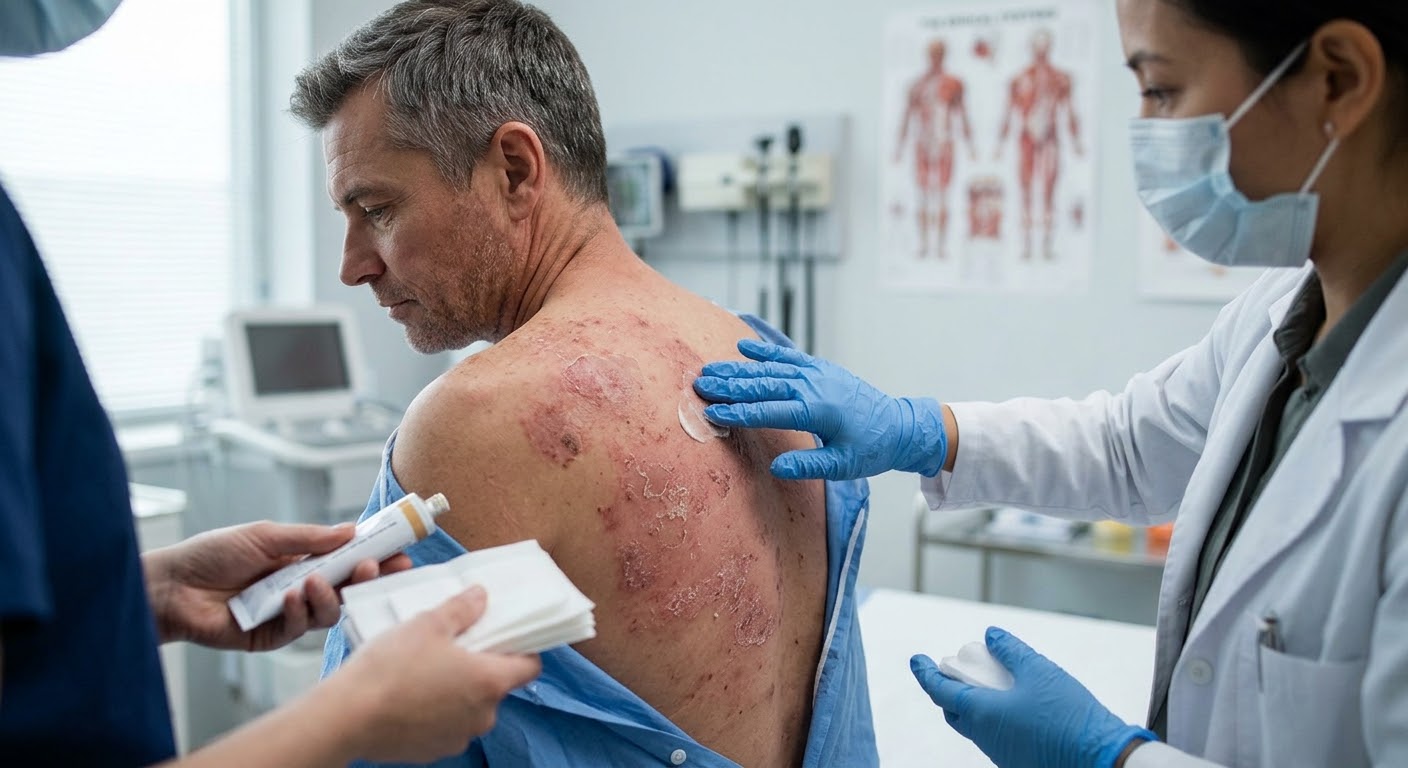
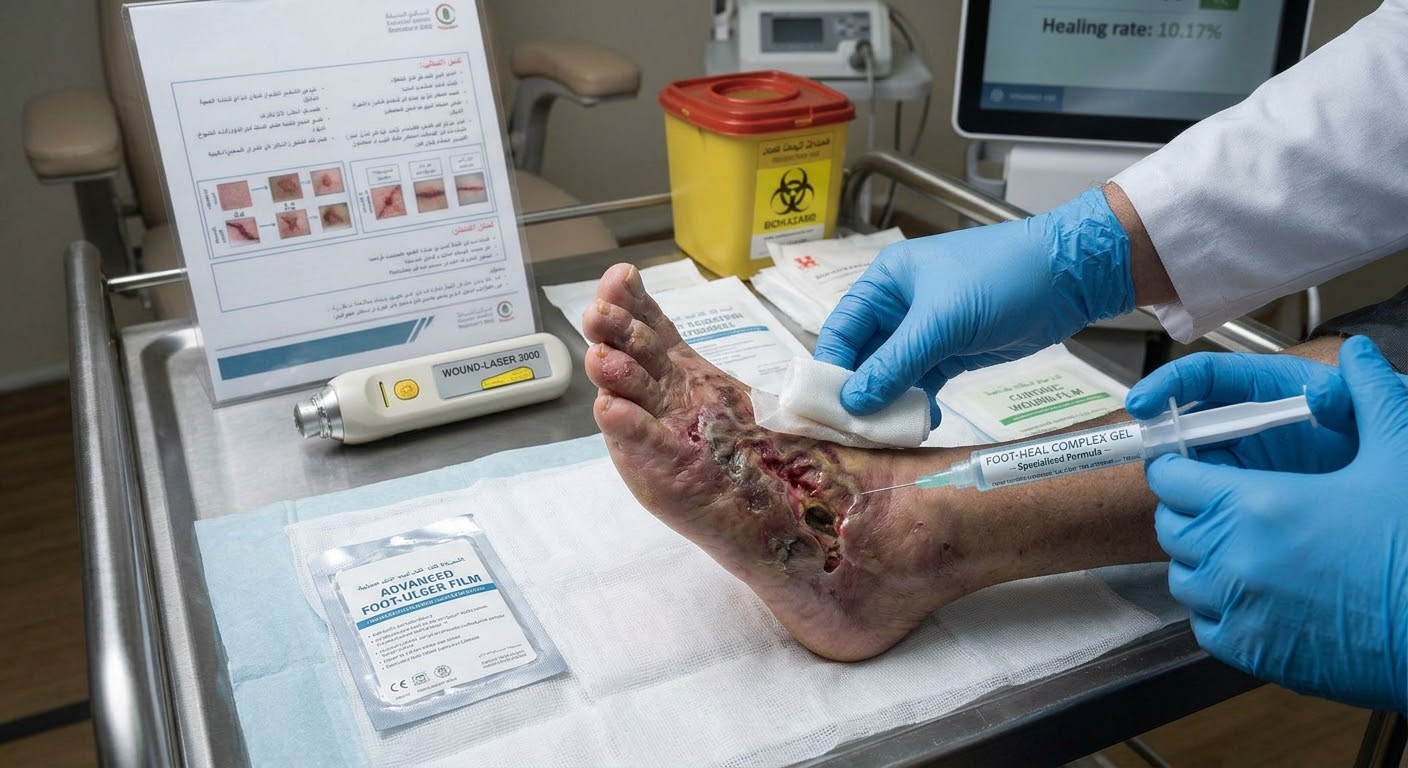
Recovery-related situations in which HBOT may be assessed include compromised skin grafts and flaps after surgery, crush injuries where swelling threatens blood supply, certain non-healing wounds, radiation-related tissue injury, and selected bone infections that have not responded to standard treatment.
Many other uses discussed in the public — including general wellness, athletic recovery and neurological conditions — remain investigational, and the evidence varies significantly by condition. The doctor can explain what the evidence supports in your situation, along with potential risks and alternatives.
An additional approach, guided by assessment
HBOT is best understood as an additional approach to care, not a replacement for it. Surgery, wound care, medication, physiotherapy and treatment of the underlying condition all remain part of the plan, guided by the clinicians responsible for your recovery.
This is why every course of HBOT at the clinic begins with a medical assessment. The doctor reviews your diagnosis, your treatment so far and your overall health before deciding whether HBOT has a role — and if it does, sessions are planned as a series with progress reviewed at agreed points.
Safety and what to discuss first
HBOT is not suitable for everyone. Untreated pneumothorax is a contraindication. The most common side effects are ear or sinus pressure difficulties; temporary vision changes and, rarely, oxygen toxicity can occur.
Before treatment, tell the doctor about lung or ear conditions, recent surgery, pregnancy, claustrophobia and every medication you take, because some medicines are not compatible with oxygen at pressure.
Discuss recovery and HBOT in Beirut, Lebanon
HBOT Clinic Lebanon provides hyperbaric oxygen therapy in a two-seat chamber in Beirut. An individual assessment with Dr. Ghattas Khoury helps establish whether HBOT has a role in your recovery plan.
Visit Doctors Center building, Cairo Street, 1st Floor, Facing AUBMC, Beirut, Lebanon. Call +961 1 344 280 to arrange a consultation, or message +961 3 727 108 on WhatsApp with your enquiry.