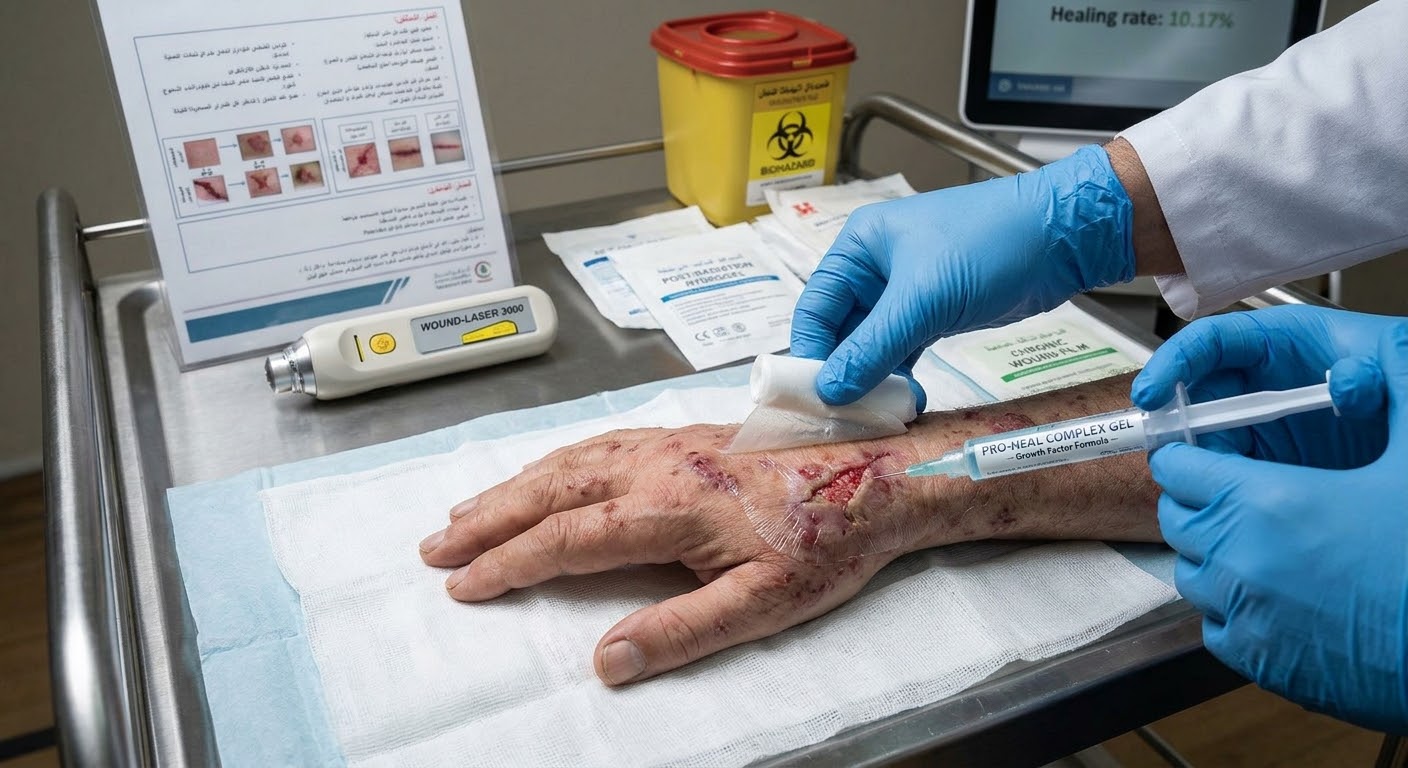
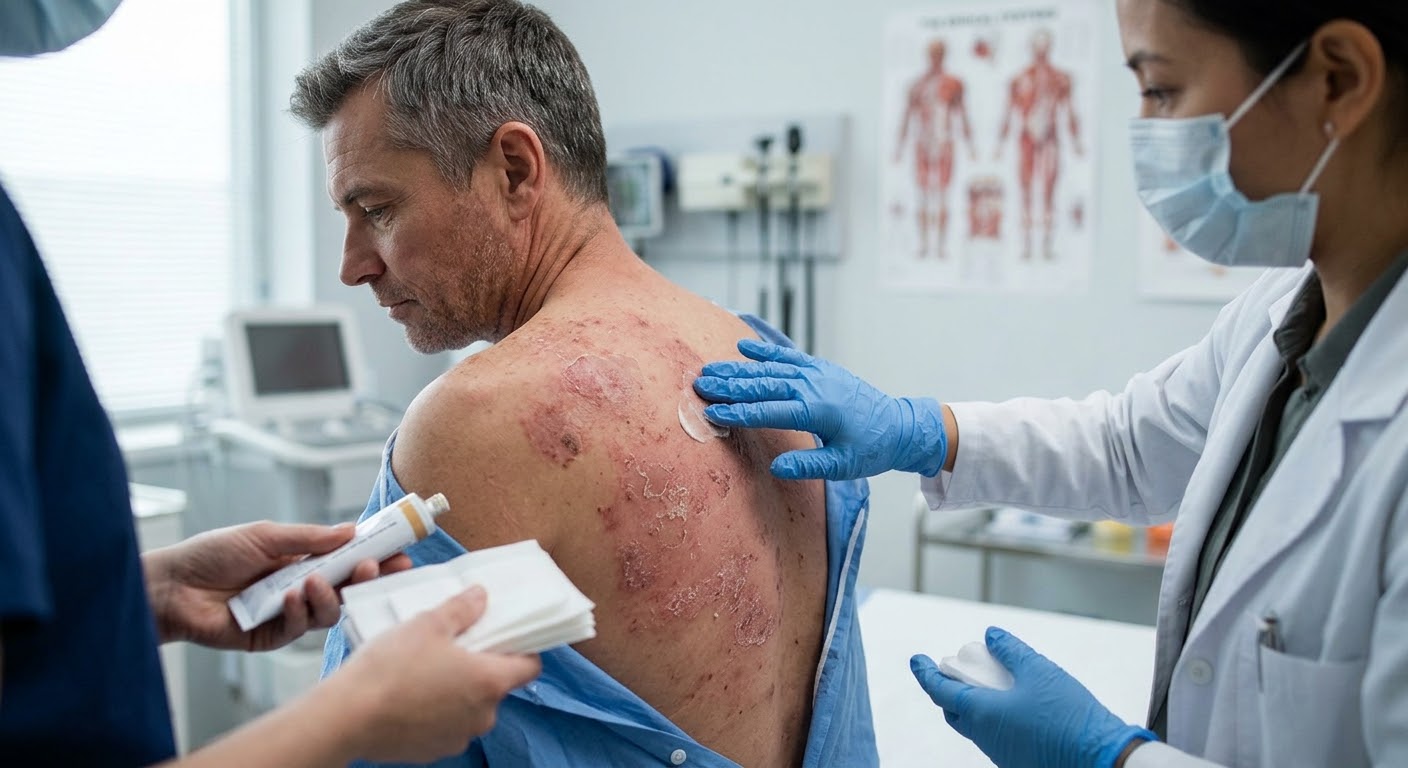
What is a post-radiation injury?
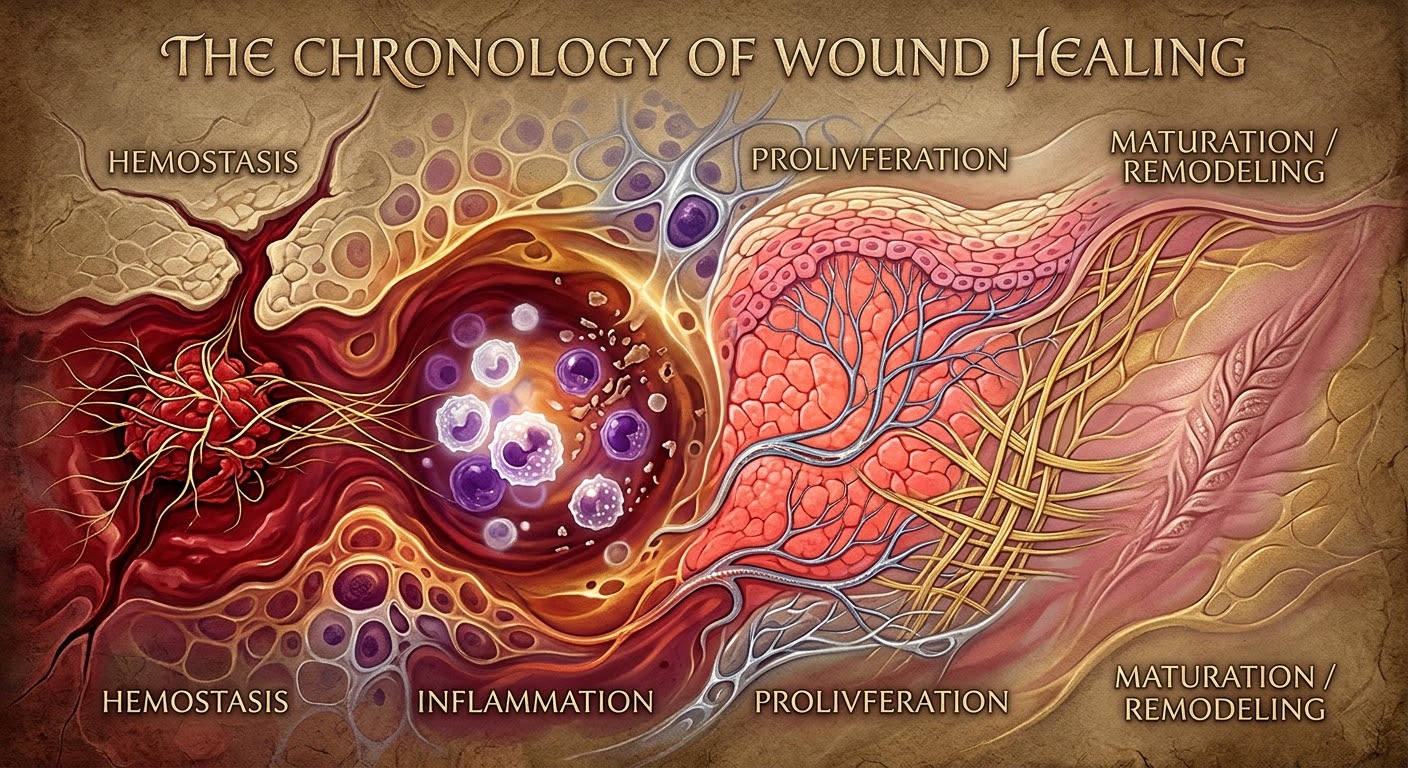
Radiation therapy is an effective cancer treatment, but it can also affect healthy tissue near the treatment area. Months or even years after treatment ends, the small blood vessels in irradiated tissue can narrow and scar, reducing blood supply and oxygen delivery to that area.
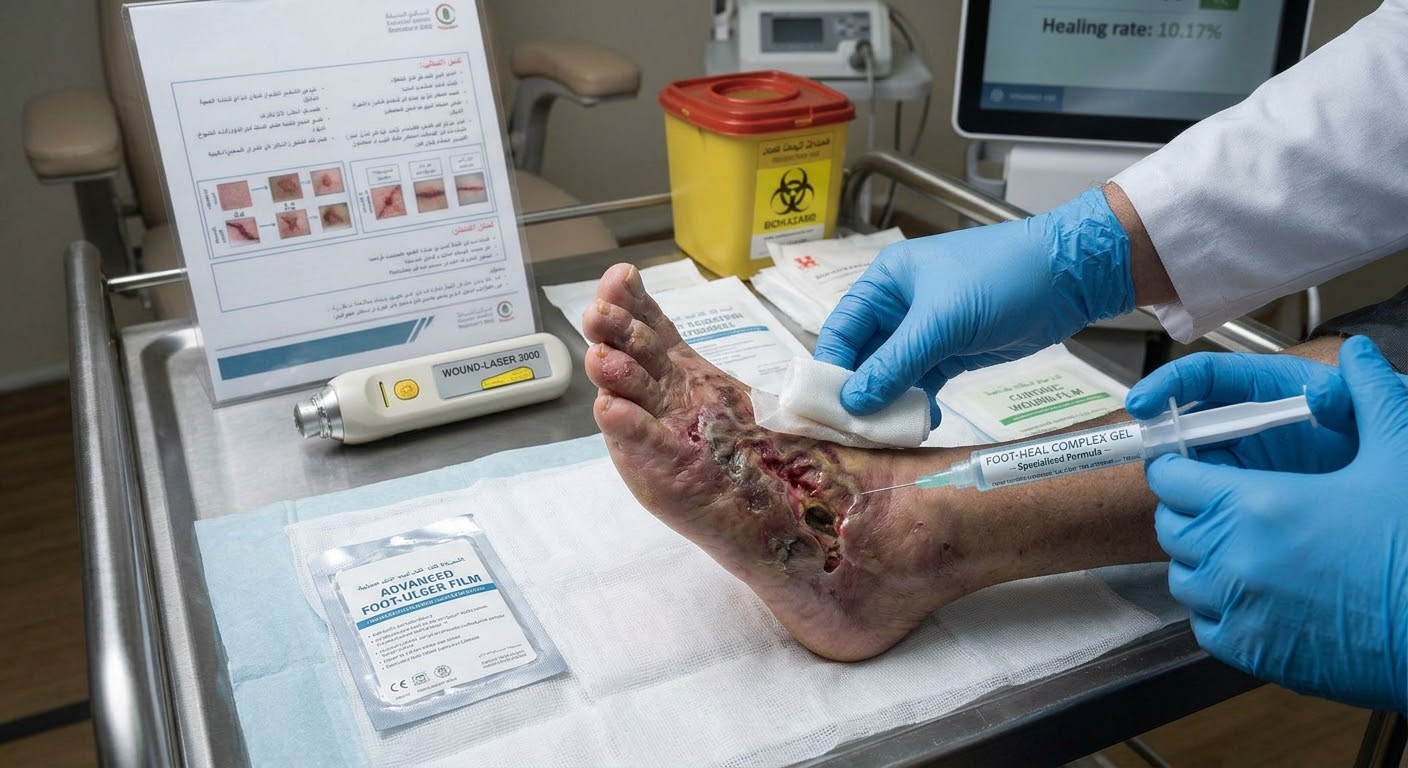
The result can be tissue that heals poorly, breaks down, or becomes painful and swollen. Depending on the part of the body treated, this may appear as a wound that will not close, damage to the lining of the bladder or bowel, or changes in the bone of the jaw after head and neck treatment.
Why oxygen matters after radiation
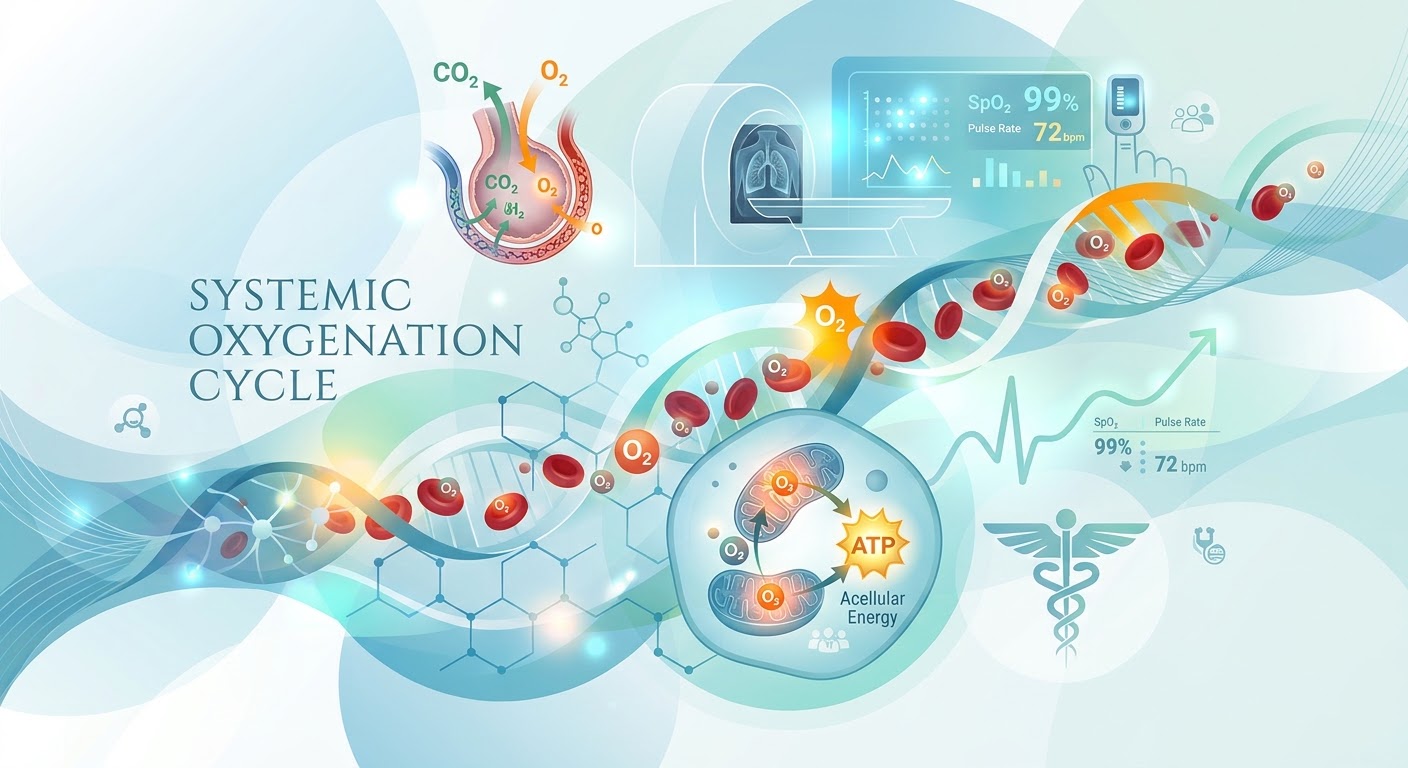
Radiation-damaged tissue is often oxygen-deprived because its blood supply has been reduced. Repair processes that depend on oxygen — building collagen, growing new blood vessels and defending against infection — slow down or stop in these areas.
During hyperbaric oxygen therapy you breathe medical-grade oxygen inside a chamber pressurised above normal atmospheric pressure. At the pressures used at HBOT Clinic Lebanon, between 1.3 and 2.5 atmospheres, the amount of oxygen dissolved directly in the blood plasma rises substantially, allowing oxygen to reach tissue where circulation is poor.
Which post-radiation injuries may be considered
Radiation-related tissue injury is among the recognised applications of HBOT. Situations that may be assessed include radiation proctitis and radiation cystitis — injury to the lining of the bowel or bladder after pelvic radiation — soft tissue radiation injury, and bone damage in irradiated areas such as the jaw.
HBOT may also be considered before or after surgery in previously irradiated tissue, where healing is expected to be difficult. Suitability depends on the specific diagnosis, the time since radiation and your overall condition, so an individual medical assessment is essential.
How treatment is planned
The rise in tissue oxygen from a single session is temporary, so HBOT for radiation injury is planned as a series of sessions, often over several weeks. The pressure, duration and number of sessions are determined individually, and progress is reviewed at agreed points rather than assumed.
Some patients notice gradual improvement in symptoms such as bleeding, pain or poor wound healing over the course of treatment. Outcomes vary by diagnosis and by the condition of the tissue, and improvement cannot be guaranteed.
HBOT works alongside your oncology care
HBOT is an additional treatment for selected patients — it does not replace follow-up with your oncologist or the care of the treating medical team. Any new or worsening symptom after radiation should always be assessed by your doctors first, to rule out causes that need different treatment.
Bring your radiation treatment history, medication list and any relevant reports to your consultation. This helps the doctor determine whether HBOT has a role in your situation and how it fits with the rest of your care.
Safety and what to discuss first
HBOT is not suitable for everyone. Untreated pneumothorax is a contraindication. The most common side effects are ear or sinus pressure difficulties; temporary vision changes and, rarely, oxygen toxicity can occur.
Before treatment, tell the doctor about lung or ear conditions, recent surgery, pregnancy, claustrophobia and every medication you take, because some medicines are not compatible with oxygen at pressure.
Discuss post-radiation injuries and HBOT in Beirut, Lebanon
HBOT Clinic Lebanon provides hyperbaric oxygen therapy in a two-seat chamber in Beirut. An individual assessment with Dr. Ghattas Khoury helps establish whether HBOT has a role in your recovery after radiation treatment.
Visit Doctors Center building, Cairo Street, 1st Floor, Facing AUBMC, Beirut, Lebanon. Call +961 1 344 280 to arrange a consultation, or message +961 3 727 108 on WhatsApp with your enquiry.